Ryan Reynolds’ Net Worth in 2026: Estimated Fortune and Detailed Wealth Breakdown

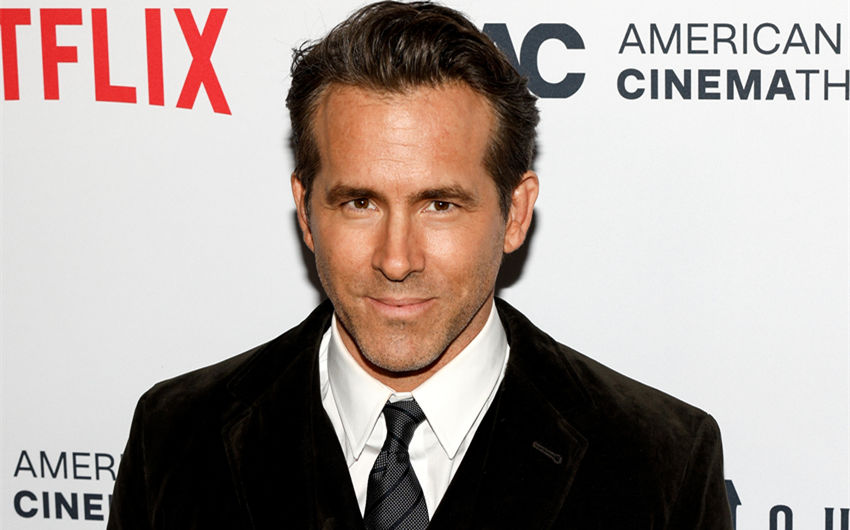
Ryan Reynolds’ net worth isn’t built on movie checks alone—it’s the result of blockbuster acting paired with unusually smart ownership bets. By 2026, his fortune is most often estimated in the mid–hundreds of millions, driven by major business exits, premium brand deals, and a production-and-marketing machine that turns his humor into real equity.
Who Is Ryan Reynolds?
Ryan Reynolds is a Canadian actor, producer, and entrepreneur known for blending Hollywood stardom with sharp, self-aware marketing. He became a household name through romantic comedies and action films, then turned into a full-on franchise anchor as Deadpool—an antihero role that let him combine comedy, action, and direct audience connection in a way few stars can.
What makes Reynolds different from many A-list actors is that he didn’t stop at fame. He used his personal brand—quick wit, “in-on-the-joke” charm, and reliable likability—to build businesses where his creativity wasn’t just promotional, but structural. In other words, he didn’t just endorse products; he owned pieces of them and helped drive their growth.
Estimated Net Worth
As of 2026, Ryan Reynolds’ net worth is most commonly estimated at around $350 million, with some estimates landing a bit above or below depending on how they value private holdings and deal payouts. The number moves because much of his wealth is tied to assets that can fluctuate—stock-based acquisitions, equity stakes, and business valuations rather than a simple salary.
The most grounded way to read that figure is as a “snapshot estimate”: a reasonable total based on major known exits and ongoing earnings power, not a precise, verified bank balance.
Net Worth Breakdown
1) Film and franchise earnings
Acting is the foundation, even if it’s not the whole story. Reynolds has starred in big-budget studio films for years, and franchise success typically comes with escalating pay, bonuses, and stronger negotiating power on future projects. Deadpool, in particular, has been a career-defining engine: it elevated him from “successful actor” to “must-cast global brand,” which raises earning potential across everything else he touches.
Beyond base salaries, top-tier actors often make additional money through producer fees and backend participation, especially when they’re central to a project’s identity. Reynolds’ career has increasingly leaned into that model—getting paid not only for performing, but also for shaping the product.
2) Mint Mobile: the wealth accelerant
Mint Mobile is widely viewed as the single biggest rocket booster in Reynolds’ net worth story. The key wasn’t just being the face of the brand—it was having a meaningful ownership stake. When the company was acquired in a major deal, the math changed overnight: equity became a large, concrete wealth event rather than a “nice side hustle.”
Even if you ignore the exact percentage figures people argue about online, the principle is what matters: Reynolds wasn’t paid like a spokesperson. He positioned himself like an owner-operator, using his creative voice to make the marketing uniquely memorable, then benefiting financially when that growth translated into a large acquisition value.
This is also why his net worth estimate sits so high compared to many actors with similar box-office resumes. A single strong business exit can rival (or beat) years of film salaries.
3) Aviation Gin: turning an endorsement into an exit
Aviation Gin is another signature example of Reynolds’ approach: align with a product, become part-owner, use your personality to make the brand’s marketing wildly shareable, and let that attention translate into real company value. When the brand sold in a major spirits deal, it reinforced a pattern that now defines his financial story.
What’s important here is that deals like this often include structured payouts over time, not just a single check. That means the net worth impact can be both immediate and long-tailed—supporting a high estimate for multiple years depending on how performance-based components are valued.
4) Maximum Effort: the “creative studio” that prints leverage
Maximum Effort is one of the most underrated pieces of Reynolds’ wealth. It isn’t only about producing films; it’s about building a modern hybrid: production, advertising-style creative, and brand strategy wrapped into one recognizable identity. This matters because it monetizes what Reynolds is naturally good at—tone, timing, humor, and attention capture—without relying on him being on set every day.
When you own a creative company, you can earn in more ways than acting allows. You can collect production fees, participate in brand campaigns, attach yourself to projects as a producer, and build long-term enterprise value that exists even if you take a break from starring roles. It’s the difference between being a talent and owning a system that sells talent-powered creativity at scale.
5) Endorsements and brand partnerships
Reynolds’ public image is unusually brand-friendly: witty, not overly polished, and broadly likable. That combination is valuable because brands want someone who can sell without feeling like a walking billboard. For a star at his level, endorsement income can be substantial—often negotiated as multi-part deals that include campaign work, appearances, and social content.
Even when exact contract terms aren’t public, this category consistently supports his wealth because it layers on top of acting income rather than replacing it. In strong years, endorsement revenue can feel like an additional career running in parallel.
6) Other ownership stakes and “portfolio” investing
Reynolds has also been associated with other investments and ownership plays that fit his pattern: buy into a brand or venture where his marketing instincts create real growth, then hold equity long enough for the value to compound. These positions usually aren’t as headline-grabbing as Mint Mobile or Aviation Gin, but they add depth to his wealth profile.
This is one reason his net worth estimate can stay high even if he’s between major movie releases. A diversified portfolio of stakes, plus a creative company, plus recurring brand income creates stability that pure acting careers often don’t have.
7) Real estate, lifestyle costs, and what net worth is not
A high net worth doesn’t mean every dollar is liquid. For someone like Reynolds, a meaningful share of wealth can be tied up in equity, business value, and assets like real estate. At the same time, the costs of operating at his level are real: taxes, legal and accounting support, management and agent fees, security, travel, and the overhead that comes with running companies and producing projects.
That’s why the best way to understand his fortune is not “how much cash he has,” but how much value he controls across entertainment, ownership stakes, and brand-driven businesses.