Pharrell Williams Career: Music, Fashion, Business Ventures, and Cultural Influence Explained
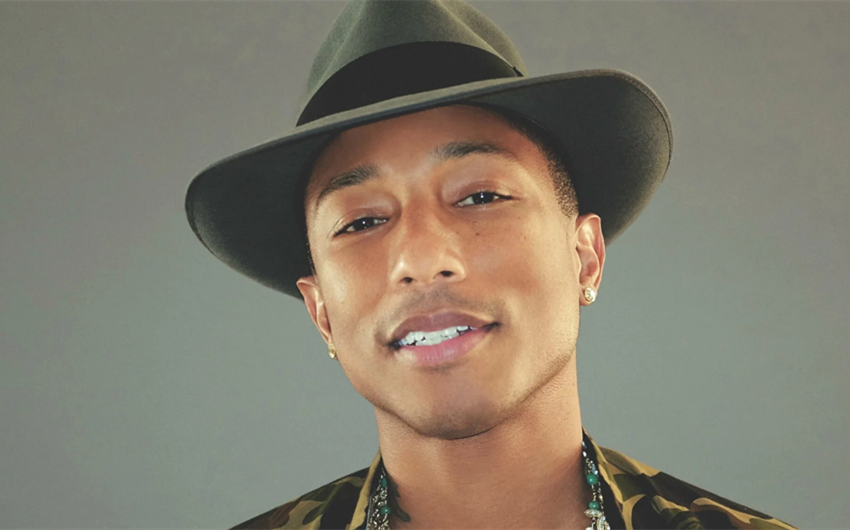
Pharrell Williams is one of those rare creative forces who can change the sound of an era and the look of it at the same time. He’s a producer, songwriter, performer, and fashion power player whose fingerprints are all over modern pop, hip-hop, R&B, and streetwear culture. What makes his story so fascinating isn’t just the hits—it’s how he built a career by blending taste, discipline, and curiosity into a brand that keeps evolving.
Who Pharrell Williams Is Beyond the Headlines
Pharrell isn’t only “the guy behind a catchy song.” He’s a builder of worlds—someone who shapes moods, colors, silhouettes, and soundscapes in ways that people feel before they even recognize the source. His public image often reads calm and effortless, but his career reflects something more intense: constant output, sharp decision-making, and an ability to anticipate what people will want next.
He became famous as a hitmaker, but his longevity comes from range. When a creative person can move between industries without feeling like a tourist, it’s usually because they have a strong internal compass. Pharrell’s compass is taste—taste in rhythm, taste in melody, taste in design, taste in what feels fresh without being gimmicky.
Early Roots: The Sound Before the Spotlight
Every major career has an origin story, and Pharrell’s begins with music as a real-life habit, not a marketing strategy. Before the awards and luxury partnerships, there was a kid fascinated by rhythm, textures, and the way different sounds could sit together. That early obsession matters because it explains why he later became such an adaptable producer: he wasn’t chasing one genre—he was chasing the feeling of a great record.
From the start, his path was tied to collaboration. Pharrell’s career is proof that “genius” often looks like teamwork. The best producers aren’t just talented—they’re translators who can pull the best out of other people, then shape it into something cohesive and memorable.
The Neptunes Era: When Production Became a Signature Sound
Pharrell’s rise is inseparable from his work as part of The Neptunes, the production duo known for creating an instantly recognizable sound. Their style had a few consistent traits: crisp drums, unexpected negative space, bright synths, and grooves that felt both minimal and addictive. The impact was enormous because they didn’t just produce hits—they changed what radio could sound like.
Why Their Production Felt Different
At a time when many pop and hip-hop tracks were layered and dense, The Neptunes often left space. That space made the drums hit harder, the hooks feel cleaner, and the entire track more replayable. Their beats could sound futuristic without feeling cold, and playful without sounding flimsy. It was confident music—music that didn’t have to shout to dominate a room.
Pharrell’s Role Inside the Duo
Within The Neptunes, Pharrell wasn’t only “the producer.” He was also a songwriter, a melodic architect, and often a vocalist who knew exactly how to sprinkle a record with personality. His voice became a kind of brand stamp—light, airy, and instantly recognizable—making the producer feel like a star without needing to stand front and center all the time.
As a Songwriter: Hooks That Stick Like Glue
Pharrell’s songwriting strength is the ability to create hooks that feel simple but are engineered to last. The best hooks don’t just sound good once—they sound better on the tenth listen. He writes with a kind of cheerful precision: short phrases, clean melodies, rhythms that bounce, and lyrics that feel conversational enough to be memorable.
Even when the subject matter is serious, he often aims for clarity. That clarity is part of why his work crosses genres. A clear hook doesn’t care whether it’s sitting on a pop beat, a hip-hop beat, or an R&B groove. It just works.
N.E.R.D: The Alternative Side of the Pharrell Universe
If The Neptunes showcased Pharrell’s ability to dominate the mainstream, N.E.R.D showed his appetite for left-field choices. N.E.R.D blended rock, funk, hip-hop, and electronic energy in a way that felt like a creative playground. The music wasn’t designed to fit neatly into one radio category—it was designed to feel alive.
This part of his career is important because it proves he wasn’t trapped in hitmaking. He wasn’t afraid to build music that challenged listeners or required a different kind of attention. That willingness to step outside the obvious lane is a major reason his brand feels credible: he’s not just chasing charts—he’s chasing ideas.
Pharrell as a Solo Artist: Star Power With Producer Brains
When producers become solo stars, the results can be mixed. Some producers struggle to translate behind-the-scenes brilliance into a front-facing identity. Pharrell did the opposite: he brought producer-level intention into his solo work, creating music that felt both polished and personal.
His solo presence is built on a specific vibe—optimistic, stylish, slightly eccentric, and confident without being aggressive. That vibe has become part of why people associate him with “feel-good” records, but it’s also why his performances work: he sells mood, not just vocals.
Fashion: Turning Taste Into an Empire
Pharrell’s fashion influence isn’t a celebrity side quest—it’s a second career. He doesn’t approach fashion like someone collecting expensive items. He approaches it like a designer: thinking in shape, proportion, color, and cultural meaning.
Streetwear Credibility That Never Felt Forced
Many celebrities try to enter fashion by wearing hype pieces and hoping it turns into a brand. Pharrell’s approach has always felt more rooted. He was associated with streetwear culture early, and his style choices helped normalize a more expressive, experimental masculinity in fashion: bright colors, unusual silhouettes, playful accessories, and a refusal to dress “safe.”
That mattered because it expanded what mainstream menswear could look like. He helped make it normal for a man to dress like a creative person instead of dressing like a uniform.
Luxury Meets Pop Culture
Pharrell’s ability to move between streetwear and luxury is one of his strongest business advantages. He can speak to the person buying sneakers and the person buying runway pieces—and he can do it without sounding fake. That kind of crossover power is rare, and it’s why fashion houses and brands see him as more than a celebrity endorsement. He’s a cultural translator.
Business Ventures: Monetizing Creativity Without Losing Cool
There’s a version of “business” that kills art. Pharrell’s business approach tends to do the opposite: it extends the art. The core principle is consistent—build things that reflect his taste and values, then scale them with smart partnerships.
His brand power is built on trust. People believe that if Pharrell puts his name on something, it will probably look good, sound good, or feel well-curated. That belief is worth more than any single deal because it creates long-term leverage.
Why His Brand Feels Durable
- Consistency: He maintains a recognizable aesthetic even while changing eras.
- Curiosity: He explores new sounds and styles without abandoning his identity.
- Collaboration: He rarely tries to be the “only genius” in the room.
- Restraint: He doesn’t attach his name to everything, which keeps the name valuable.
Philanthropy and Social Impact
Pharrell’s public image includes a strong connection to community and youth-focused initiatives. He has frequently positioned creativity and education as tools that can shift a person’s life, which makes sense given how early access to music and mentorship can change a future. While philanthropic work can be complicated and often misunderstood from the outside, his pattern has been clear: he cares about opening doors for people who don’t start with the same resources.
What stands out is that his social impact interests align with his brand identity. He doesn’t present himself as a distant savior figure. He presents creativity as something practical—something that can become a skill, a career, and a way out.
Personal Life: Private Enough to Feel Real
In an era where celebrity is often built on oversharing, Pharrell has generally kept his private life relatively protected. He’s known for being married and for having a family, but he doesn’t use family life as a constant content engine. That restraint has helped him maintain a sense of mystique while still feeling approachable.
He also tends to carry himself like someone who understands that fame is a tool, not an identity. That’s a subtle difference, but it changes how a career ages. When a person’s entire identity is “being famous,” they often fade quickly. When a person’s identity is “building things,” they last.
Why Pharrell Williams Still Matters
Pharrell’s influence isn’t limited to a single hit or era. He helped reshape what mainstream production could sound like, influenced how artists think about collaboration, and proved that a musician can be taken seriously in fashion and business without becoming a parody of celebrity branding.
His biggest cultural contribution might be the permission he gives people: permission to be playful, permission to experiment, permission to mix “high” and “low” culture without apologizing. In music, that looks like genre-bending. In fashion, it looks like rule-breaking. In business, it looks like building something that reflects taste instead of just chasing money.
The Legacy: A Blueprint for the Modern Creative
When you look at Pharrell’s career as a whole, it reads like a blueprint for how to stay relevant without burning out your identity. He didn’t rely on one role. He built a portfolio: producer, songwriter, artist, fashion figure, business partner, cultural curator.
That portfolio approach is why his legacy continues to expand. Even when musical trends shift, he can still contribute because he understands structure. Even when fashion trends change, he can still influence because he understands silhouette and attitude. Even when public attention moves on, he can still build because he understands how to make ideas tangible.
In the end, Pharrell Williams isn’t famous because he was lucky once. He’s famous because he’s consistently good at turning imagination into something the world can hear, wear, and remember.
image source: https://albumism.com/celebrations/happy-birthday-pharrell-williams