Monique Olivier Husband Michel Fourniret: Marriage, Crimes, Trial, and Conviction Explained

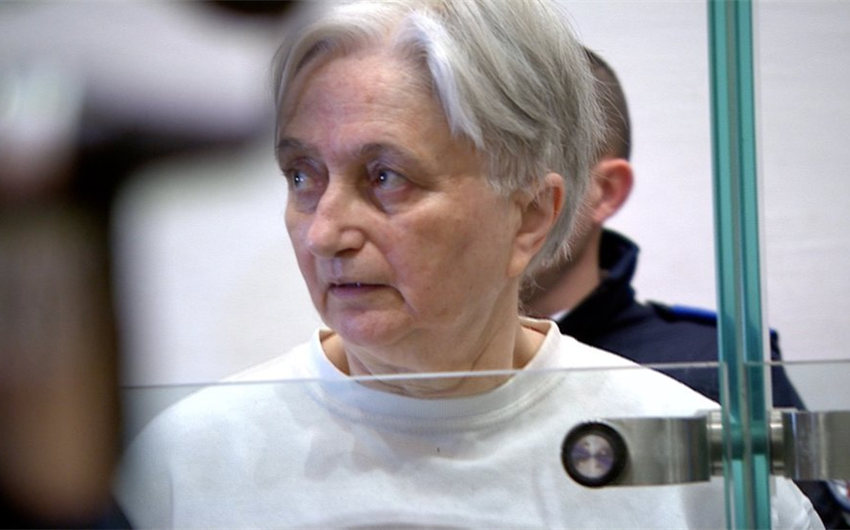
Monique Olivier’s husband was Michel Fourniret, the French serial killer often nicknamed the “Ogre of the Ardennes.” Their relationship became infamous because investigators and prosecutors said Olivier was not just a spouse, but an active accomplice in abductions, sexual assaults, and murders spanning years. If you’re searching this topic, the clearest way to understand it is to separate three things: who Fourniret was, who Olivier was, and what the courts have formally established about their roles.
Who Is Monique Olivier?
Monique Olivier is a French woman whose name entered the public record through one of France’s most notorious criminal cases. Before the case, she lived a relatively ordinary life, largely outside public attention. After her arrest, she became known as Fourniret’s wife and alleged “bait” or facilitator—someone prosecutors argued helped him approach victims, gain their trust, and maintain control during the crimes.
Across multiple proceedings, Olivier has been portrayed in sharply different ways: by some as a manipulated, coerced partner living under a violent man’s influence; by others as a calculating participant who made the crimes easier to commit and harder to solve. What isn’t in dispute is that she has been convicted multiple times for complicity in crimes linked to Fourniret.
Who Was Michel Fourniret?
Michel Fourniret was a French serial killer and rapist who confessed to multiple crimes involving girls and young women, including abductions, sexual assaults, and murders committed in France and Belgium. He was convicted and sentenced to life imprisonment in 2008 for a series of kidnappings, rapes, and murders. He died in custody in 2021 before facing trial in several other cases still under investigation at the time.
Fourniret’s case stands out not only for the number of victims tied to him, but for how long some families waited for answers. Several disappearances remained unresolved for years, and investigators continued working through cold cases as new information emerged.
Monique Olivier’s Husband: When They Married and What Their Family Looked Like
Monique Olivier married Michel Fourniret in the late 1980s, after first contacting him while he was incarcerated. Their relationship began through correspondence and prison visits, and they later lived together in rural areas and across borders. They had one son together, named Sélim, who has been mentioned in coverage of later court proceedings because he was directly impacted by the revelations about his parents.
Although they were once legally married, the couple later divorced. Reporting in France noted that their divorce occurred years after their 2008 convictions, reflecting how the legal bond remained on paper even after the relationship had already become defined publicly as criminal partnership.
Why This Marriage Became Part of the Criminal Story
Many serial-crime cases involve a lone offender. The Fourniret case is different because prosecutors argued Olivier helped him operate. The allegation wasn’t simply “she knew.” It was that she participated—sometimes by helping lure victims, sometimes by helping manage logistics, and sometimes by helping conceal what had happened.
This is also why public attention stays fixed on her role. People can grasp the idea of one violent offender, but a spouse functioning as an accessory forces uncomfortable questions: how someone crosses the line from complicity by silence into complicity by action, and what manipulation looks like when it’s paired with repeated choices.
Key Victims and Cases Often Linked to Olivier’s Convictions
In French coverage, the names most commonly connected to the more recent proceedings involving Olivier include Marie-Angèle Domèce, Joanna Parrish, and Estelle Mouzin. These cases span different years and circumstances, and they became central to later trials because Fourniret was no longer alive to stand in court, leaving the justice system to determine Olivier’s responsibility for complicity.
One reason these cases remain widely discussed is that at least one of them involved a child whose disappearance became a national trauma, and because the search for answers lasted for years. The court proceedings were watched closely by families who wanted clarity, not only about what happened, but about whether Olivier would finally provide consistent details.
Monique Olivier’s Sentences: 2008 and 2023
Monique Olivier has faced more than one major conviction tied to Fourniret’s crimes. In 2008, she was convicted and sentenced to life imprisonment for complicity in crimes associated with Fourniret, following a major trial that established her legal responsibility in multiple abductions and murders.
Then, on December 19, 2023, a court in Nanterre (Hauts-de-Seine) sentenced Olivier again to life imprisonment, with a 20-year minimum security period, for complicity connected to the cases involving Domèce, Parrish, and Mouzin. This second life sentence is one of the main reasons her name resurged internationally in late 2023 and beyond.
Did Olivier Claim She Was Forced?
Olivier’s story has included claims that she was controlled, frightened, or manipulated by Fourniret. This theme appears repeatedly in coverage because it sits at the center of how people interpret her actions: was she primarily a victim of coercion, or an enabler who chose to participate?
Courts have not treated her as merely “present.” The convictions reflect findings of complicity, meaning judges and jurors concluded her actions met the legal threshold for criminal responsibility, regardless of any claims about pressure within the relationship.
Where Is Monique Olivier Now?
Monique Olivier remains in custody under life sentences tied to Fourniret’s crimes and related proceedings. Because French legal processes can involve continuing investigations and additional case developments, you may still see her name in coverage connected to other files and inquiries linked to Fourniret’s suspected victims.
However, the major “headline” legal outcome most people are searching for today is the 2023 life sentence with a 20-year minimum security period, on top of her earlier life sentence from 2008.
Featured Image Source: https://www.bbc.com/news/uk-england-gloucestershire-67759265