Lil Baby Net Worth in 2026: Earnings, Deals, Assets, and Lifestyle Explained
Lil Baby net worth is one of those topics that keeps trending because his rise happened fast, and his success looks expensive. The quick answer is that he’s built wealth from music, touring, brand partnerships, and smart positioning in the culture—but the real story is how those streams stack together and why his income isn’t just about hit songs. Once you understand where the money comes from, the numbers start to make a lot more sense.
Who Lil Baby Is and Why His Money Story Matters
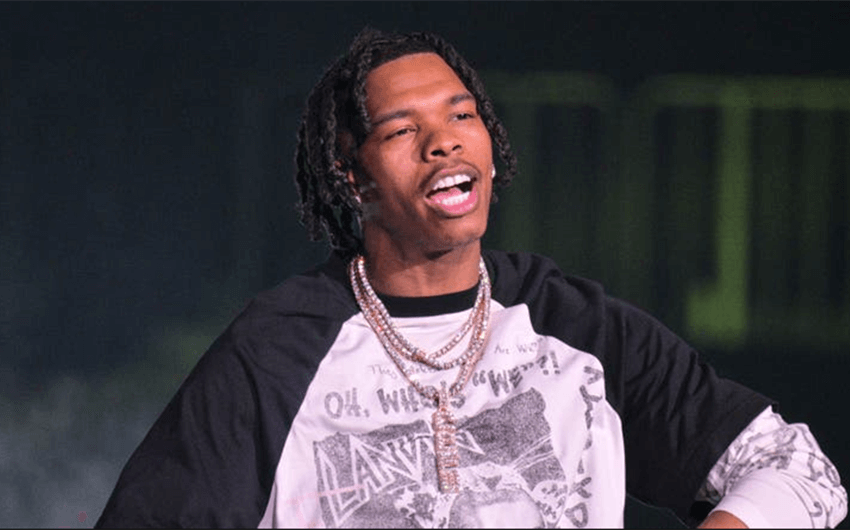
Lil Baby, born Dominique Armani Jones, went from local buzz to global recognition in just a few years. That kind of growth usually means two things happen at the same time: income ramps up quickly, and expenses get bigger just as fast. He’s not only a rapper with platinum records—he’s a touring headliner, a featured artist who can move charts, and a brand-friendly public figure who can earn outside music.
Net worth discussions often get oversimplified, but in reality, an artist’s wealth is shaped by contracts, ownership, touring strategy, tax realities, spending habits, and how well they turn fame into long-term leverage.
How Net Worth Works for Rappers (And Why It’s Often Misunderstood)
When people hear “net worth,” they usually think “cash in the bank.” That’s not what it means. Net worth is the estimated value of everything someone owns (assets) minus everything they owe (liabilities). For an artist like Lil Baby, that can include:
- Cash and investments
- Income from music royalties and streaming
- Touring revenue
- Brand deals and endorsements
- Real estate and vehicles
- Business interests (if any)
- Debts, taxes, and ongoing obligations
Also, public net worth figures are usually estimates. Artists don’t publish their full financials, so the internet relies on projections based on known deals, public performance, and industry averages. That means any single number you see online should be treated as a rough range, not a confirmed statement.
Music Revenue: The Foundation of Lil Baby’s Wealth
Music is still the engine behind most major rap fortunes, even in an era where artists diversify. Lil Baby’s catalog has been a consistent performer, and that matters because music income can keep paying long after a release cycle ends.
Streaming Income
Streaming is one of the most visible sources of revenue because numbers are public: plays, charts, placements. What’s not public is the exact payout. Streaming payouts vary by platform, region, and label arrangements, but a major artist with repeated chart success can generate significant annual income from streaming alone—especially when the catalog is deep and features are frequent.
For Lil Baby, the advantage is consistency. A strong back catalog means he isn’t dependent on one album year to stay profitable. Every month, older hits still generate plays, and new listeners discover the music through playlists and algorithms.
Royalties and Publishing
Royalties are where music can become real wealth. There are different types—recording royalties, publishing royalties, performance royalties—and who gets paid depends on how the deals are structured. Artists who own more of their masters or publishing generally do better over time, while artists who sign more traditional deals may earn less per stream but benefit from label support and advances.
Publishing can be especially important because it applies when songs are performed publicly, played on radio, used in commercial spaces, or licensed. It’s not as flashy as a tour check, but it’s often steadier.
Touring: Where Big Money Usually Happens
If streaming is the steady engine, touring is the cash surge. For major artists, live performances can bring in massive revenue, especially when shows sell out and merch performs well. But touring also comes with major costs:
- Staff and security
- Production and staging
- Travel and logistics
- Venue cuts and promoter fees
- Insurance and permits
Even so, artists at Lil Baby’s level can still clear strong profits, particularly on large tours and festival appearances. A successful run of shows can outperform a year of streaming revenue, depending on the scale.
Festival Fees and Headliner Rates
Festival bookings can be extremely lucrative because they compress earnings into a single appearance. The bigger the artist, the bigger the fee. In hip-hop, artists who can reliably draw crowds often command premium rates, and that adds a powerful line item to annual earnings.
Features and Collaborations: A Quiet but Powerful Income Stream
Lil Baby has been known for high-demand features, and that demand can translate into significant income. Feature fees vary wildly across the industry, but top-tier artists can command large amounts for verses—sometimes even more if they’re also writing, helping shape a hook, or offering strategic value for the release.
Beyond the immediate fee, features expand audience reach, which can boost streaming across the artist’s own catalog. That “halo effect” is hard to quantify, but it contributes to long-term earning potential.
Brand Deals and Endorsements: Turning Fame Into Business
Brand partnerships can be a major wealth multiplier for artists who maintain a strong image and cultural relevance. For someone like Lil Baby, endorsements can come in several forms:
- Paid campaigns (social media, commercials, product appearances)
- Long-term brand ambassadorships
- Capsule collections or co-branded merchandise
- Event appearances tied to sponsorships
Brand deals can be particularly attractive because they don’t require constant touring. They also provide revenue that is less dependent on album cycles, which helps stabilize income year to year.
Merchandise: More Important Than People Think
Merch can look like a side hustle, but for touring artists it can be a serious revenue channel. Shirts, hoodies, hats, limited edition drops—these add up quickly, especially when a tour has consistent attendance and strong fan engagement.
Merch profits depend on how it’s managed. Artists who control production and distribution can make much more than those who outsource everything. But even with splits, a major tour can move a lot of product.
Assets and Lifestyle: Cars, Jewelry, and Real Estate
When fans talk about rapper wealth, they often focus on visible purchases. Cars and jewelry do represent spending, but they can also be assets—though not always smart ones.
Cars
High-end cars are typically depreciating assets, meaning they lose value over time. Rare or limited models can hold value better, but most luxury vehicles are primarily lifestyle choices, not investments.
Jewelry
Jewelry can hold resale value depending on quality, brand, and market demand, but it’s still a tricky category. Custom pieces may be worth less on resale than their original cost. It’s flashy, culturally significant, and sometimes valuable—but not always financially efficient.
Real Estate
Real estate is often where celebrity wealth becomes more stable. Homes can appreciate over time, and owning property can be a long-term strategy that protects wealth. While public details aren’t always clear, many high-earning artists invest in homes and property because it’s one of the more reliable ways to store value.
Spending, Taxes, and the Reality Behind Big Earnings
It’s easy to assume that a superstar’s gross income equals personal fortune, but taxes and expenses change everything. Top earners can face high tax rates, and celebrities often have complex financial obligations, including:
- Management fees
- Agent commissions
- Legal and accounting costs
- Security and staffing
- Travel, housing, and business overhead
In many cases, an artist might earn an impressive amount in a year but keep a smaller percentage than outsiders expect. That’s not a problem if the income is consistent and the spending is controlled, but it explains why net worth isn’t always as high as people guess.
So What Is Lil Baby’s Net Worth in 2026?
Because public numbers vary and true financial details are private, the most honest way to frame Lil Baby’s net worth is as an estimated range rather than a single exact figure. Based on his years of chart success, touring strength, high-demand features, and brand visibility, his net worth is commonly estimated in the tens of millions.
A reasonable expectation is that his wealth sits somewhere in a wide band that reflects both his earnings power and his expenses. If he continues releasing music that performs strongly, touring strategically, and expanding into business opportunities, that range can climb significantly over time.
What Could Increase His Net Worth Moving Forward
For major artists, the biggest wealth jumps usually come from ownership and scalable ventures. If Lil Baby increases control over parts of his music rights, expands business investments, or builds products that earn without constant performing, his net worth can grow faster than it would from music alone.
Owning More of the Music
Ownership of masters, publishing, or a larger share of royalties can turn a popular catalog into a long-term wealth machine. Even small improvements in ownership percentages can have huge impacts when the streams are massive.
Building a Brand Beyond Music
Artists who create successful non-music businesses—fashion, beverages, tech investments, sports ventures—often move into a different wealth category. The key is building something that can scale without requiring constant personal output.
Strategic Touring Rather Than Constant Touring
Touring is lucrative, but it’s also draining and expensive. Artists who plan tours around demand, timing, and premium ticketing can earn more while doing fewer dates, protecting both health and brand value.
Why People Stay Curious About His Wealth
Beyond the numbers, Lil Baby’s net worth conversation reflects something bigger: he represents a modern version of success where the path isn’t traditional and the climb is fast. Fans watch the lifestyle, the collaborations, the headline moments, and the cultural impact—and naturally wonder what that translates to financially.
In the end, his wealth isn’t just about one hit or one tour. It’s the result of momentum, consistency, and the ability to remain valuable in a crowded industry. That’s what makes his net worth interesting now—and why it will keep being a topic as long as his career continues to expand.
image source: https://www.revolt.tv/article/lil-baby-marks-return-with-two-new-singles