Jack Welch Net Worth at Death: Wealth, Career, and Legacy

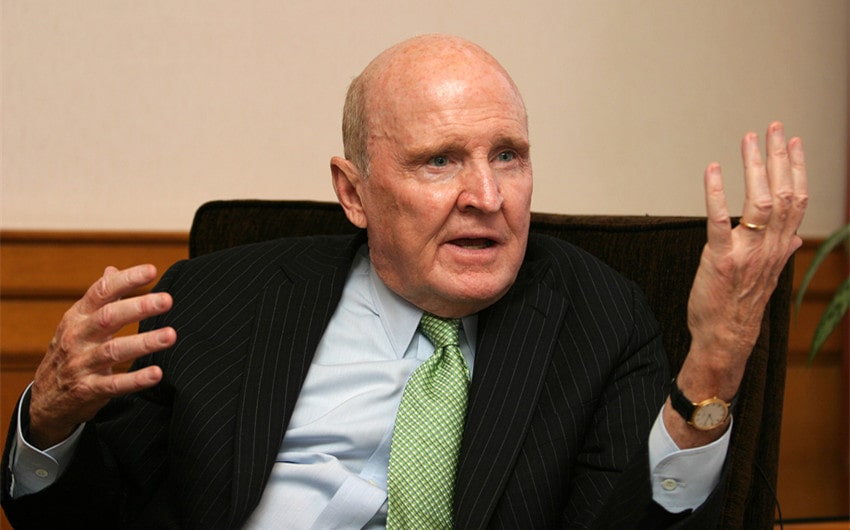
Jack Welch’s net worth at death remains a topic of lasting interest because he was not only one of the most influential business leaders of the 20th century, but also a symbol of an era that transformed corporate America. As the longtime CEO of General Electric, Welch reshaped how companies measured success, rewarded executives, and pursued shareholder value. By the time of his death in 2020, his personal fortune reflected decades of high compensation, strategic investments, and controversial corporate practices. Understanding his net worth requires looking beyond a single number to examine how it was built, challenged, and remembered.
Who Was Jack Welch? A Brief Overview
John Francis “Jack” Welch Jr. was born in 1935 in Peabody, Massachusetts. He earned a degree in chemical engineering before completing a PhD, a technical background that later influenced his analytical management style. Welch joined General Electric in 1960 and steadily climbed the ranks, eventually becoming CEO in 1981.
Over the next two decades, he became one of the most powerful executives in the world. Known for his relentless focus on efficiency, performance metrics, and shareholder returns, Welch earned the nickname “Neutron Jack” for his aggressive restructuring strategies that eliminated thousands of jobs while boosting profits.
Jack Welch’s Career at General Electric
Jack Welch’s tenure as CEO of General Electric lasted from 1981 to 2001, a period during which GE grew into one of the world’s most valuable and diversified corporations. When he took over, GE was already a major company, but under Welch’s leadership, its market capitalization increased dramatically.
He emphasized lean management, accountability, and the idea that GE businesses should be number one or number two in their markets—or be fixed, sold, or closed. Welch also expanded GE’s financial services arm, which became a major profit engine for the company during his reign.
This extraordinary corporate success laid the foundation for Welch’s personal wealth.
Jack Welch Net Worth at Death – Estimated Figure
At the time of his death in March 2020, Jack Welch’s net worth was estimated at approximately $500 million. Some estimates range slightly lower or higher, depending on how assets and post-divorce holdings are calculated, but half a billion dollars is widely cited as the most accurate figure.
This wealth placed him among the richest corporate executives in American history, even though he was not a founder of the company he led.
Salary, Bonuses, and Stock Compensation
Jack Welch’s primary source of wealth came from his compensation at General Electric. During his years as CEO, his annual salary was substantial, but it was his bonuses and stock options that generated the majority of his fortune.
Welch was one of the earliest examples of a CEO whose pay was heavily tied to company performance. He received large equity awards and stock options that appreciated enormously as GE’s share price rose. By the time he retired, Welch had accumulated tens of millions of dollars in stock-based compensation alone.
This compensation model later became the blueprint for executive pay across corporate America.
Retirement Benefits and Post-Career Income
Even after retiring as CEO in 2001, Jack Welch continued to benefit financially from his association with GE. His retirement package included:
-
Lifetime access to company aircraft
-
Use of luxury apartments
-
Office space and administrative support
-
Security and other perks
These benefits became controversial when they were disclosed publicly during his divorce proceedings. The backlash led GE and other companies to rethink executive retirement perks, but the value of these benefits had already contributed to Welch’s overall wealth.
In addition to retirement benefits, Welch earned income through consulting, speaking engagements, and his work as an author.
Books, Speaking, and Consulting
After leaving GE, Jack Welch reinvented himself as a business celebrity. He co-authored bestselling books on leadership and management, including titles that became staples in business schools and executive training programs.
Welch also commanded extremely high fees for speaking engagements, often earning six figures for a single appearance. His consulting work and business education initiatives added millions more to his post-CEO income.
These ventures ensured that his net worth continued to grow well into retirement.
Investments and Assets
Jack Welch invested heavily in real estate and other assets. He owned multiple luxury properties, including homes in New York, Florida, and Massachusetts. These properties alone were worth tens of millions of dollars.
In addition to real estate, Welch held diversified investment portfolios that included stocks, private equity interests, and business ventures. While he was most closely associated with GE stock, his wealth was not dependent on a single asset by the end of his life.
This diversification helped preserve his fortune even as GE’s reputation and stock price declined after his retirement.
Divorce and Its Financial Impact
One of the most significant financial events in Jack Welch’s later life was his divorce from his second wife, Jane Welch, in 2002. The divorce settlement reportedly cost Welch between $150 million and $180 million, making it one of the most expensive divorces in corporate history.
The proceedings also exposed the lavish nature of Welch’s retirement benefits, sparking public criticism and corporate governance debates. While the settlement significantly reduced his net worth at the time, Welch’s remaining assets and income streams allowed him to rebuild and maintain extraordinary wealth.
Lifestyle and Personal Spending
Jack Welch lived a life consistent with his wealth. He enjoyed luxury homes, private travel, and high-end amenities, but he was not known for extravagant public displays compared to entertainment celebrities.
His spending reflected comfort and exclusivity rather than excess. Even so, maintaining such a lifestyle required substantial ongoing income, which his investments and speaking career continued to provide.
Philanthropy and Giving
While Jack Welch was not as publicly philanthropic as some billionaires, he did contribute to educational institutions, business programs, and charitable causes. His giving often focused on leadership development and education rather than broad public campaigns.
Philanthropy was not the defining feature of his public legacy, but it formed part of his overall financial footprint.
Jack Welch’s Financial Legacy
Jack Welch’s net worth at death symbolizes more than personal success—it represents a turning point in corporate culture. His compensation structure helped normalize massive executive pay packages tied to stock performance.
Supporters argue that he delivered unmatched shareholder value and operational excellence. Critics counter that his focus on short-term gains contributed to long-term instability within GE and widened income inequality.
Regardless of perspective, Welch permanently changed how CEOs are paid and perceived.