Colleen Ballinger: Miranda Sings Fame, Controversy, Comeback, and What She’s Doing Now

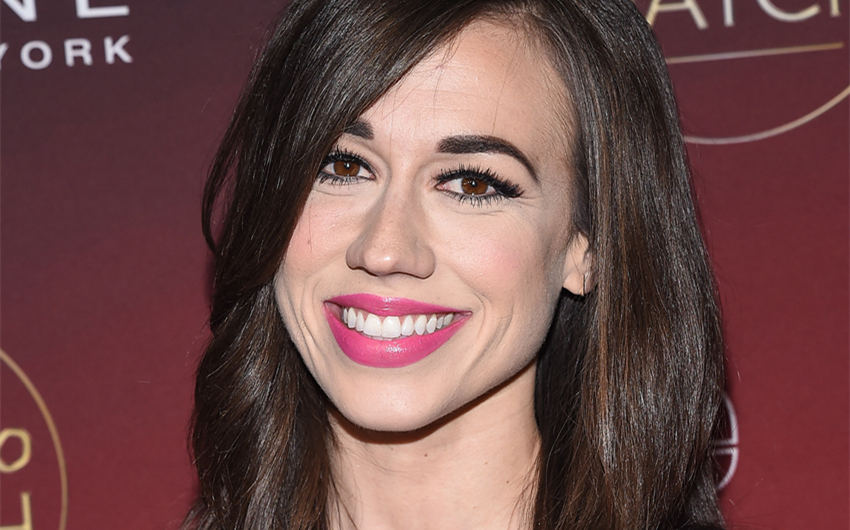
Colleen Ballinger is one of the rare internet-era creators who turned a homemade character into real mainstream fame—then watched that fame collide with a very public controversy. If you only know her as Miranda Sings, it’s easy to miss how much she built as a performer, writer, and touring act. If you only know her from the backlash, it’s easy to forget she also shaped a huge chunk of YouTube comedy culture. Here’s the full, human picture: where she came from, what she created, what went wrong, and what her career looks like now.
Who Is Colleen Ballinger?
Colleen Ballinger is an American YouTuber, comedian, singer, and actor best known for creating the character Miranda Sings, a deliberately off-key, overly confident “wannabe star” who sings badly, applies lipstick aggressively, and performs with a cringey seriousness that’s meant to be funny. Ballinger’s talent has always been her control of tone: she plays Miranda like she truly believes she’s brilliant, which makes the character land for audiences who understand the joke.
Outside Miranda, Ballinger built a parallel identity as herself—a vlogger who shared career updates, family life, and behind-the-scenes content for years. That split brand (character + personal channel) became a blueprint many creators copied: one part scripted performance, one part “real life.”
Her Early Life and Why Music Was Part of the Plan
Before she became a YouTube phenomenon, Ballinger was a performer with strong musical theater instincts. She trained as a singer and leaned into stage work, which is important context because Miranda Sings isn’t “random internet chaos.” The character is rooted in theater-world satire: the person who thinks they’re ready for Broadway but doesn’t have the skills—or the self-awareness—to realize they aren’t.
That background also explains why Ballinger’s content often included singing, costumes, exaggerated stage presence, and a sense of “performing for a crowd” even when she was filming alone in a bedroom. She didn’t invent that confidence for the camera. She learned it in performance spaces.
How Miranda Sings Became a Massive Online Brand
Miranda started as a comedic idea that hit a very specific nerve. In the early YouTube era, you could find endless “serious” aspiring singers posting heartfelt covers and audition tapes. Miranda was the parody of that culture: someone chasing fame with full confidence and zero realism. The humor came from the gap between Miranda’s self-image and what the audience could clearly see.
As the character grew, Ballinger expanded Miranda from simple videos into a full persona: touring shows, catchphrases, collaborations with major creators, and a fan community that treated Miranda like a recognizable character rather than a one-off joke. At her peak, Ballinger wasn’t just uploading. She was running a touring entertainment machine built on a character she fully controlled.
Mainstream Success: Netflix, Books, Tours, and the “Internet Star” Era
Ballinger’s mainstream breakout came when her online fame became professional opportunities. She co-created and starred in a Netflix series inspired by the Miranda universe, and she spent years performing live shows that blended comedy, music, and audience interaction. This was the moment where she became more than a YouTuber. She became a hybrid performer—part internet creator, part stage comedian, part TV talent.
Her success also reflected the way entertainment changed in the 2010s. Traditional gatekeepers weren’t the only path anymore. A creator could build an audience first, then walk into bigger deals with an already-proven fan base. Ballinger was one of the most visible examples of that pipeline working.
Colleen Ballinger’s Personal Life
Ballinger’s personal life became a major part of her public identity because she vlogged consistently for years and shared major milestones with viewers. She married actor Erik Stocklin, whom she met through work, and they have three children together: a son and twins.
For a long time, her channels leaned heavily into “life as a working performer and mom,” mixing motherhood content with career updates and comedy. That style helped deepen audience attachment, because viewers didn’t feel like they were watching a distant celebrity. They felt like they were watching someone who let them in.
That intimacy is also part of why later backlash hit so hard. When you build closeness with an audience, the audience feels ownership. When trust breaks, the reaction is often louder than it would be for a performer who never invited people into their life in the first place.
The Controversy That Changed Everything
In 2023, Ballinger faced widespread public backlash after multiple people accused her of inappropriate interactions with fans when they were underage, along with other claims related to boundaries, private group chats, and behavior that critics described as manipulative or harmful. The details circulated across social media and were amplified by commentary channels and mainstream outlets, turning her into one of the most debated internet figures of the year.
The controversy escalated further because of her response. Instead of a standard apology video, she posted a musical response that many viewers found dismissive and mocking in tone. That moment became culturally viral, and it helped lock in a public narrative that she was not taking the allegations seriously.
It’s important to say this clearly: an internet scandal is rarely one clean fact. It becomes a collision of allegations, receipts, interpretations, and emotion. But the real-world effect was clear. Her reputation took a major hit, and her career momentum changed sharply.
What the Backlash Did to Her Career
When a creator builds a career on audience trust, public backlash doesn’t just affect “likes.” It affects business viability. Tours get questioned. Collaborations vanish. Brands back away. Other creators distance themselves. Even if a creator keeps posting, the surrounding ecosystem changes: fewer partners, fewer opportunities, less goodwill.
Ballinger’s controversy created exactly that kind of pressure shift. For many viewers, the issue wasn’t only the allegations—it was the sense that her response reinforced the worst interpretation of her behavior. Once a public figure is seen as minimizing harm, rebuilding trust becomes dramatically harder.
Her Return to Posting and the “Comeback” Conversation
After a period of reduced public presence, Ballinger returned to uploading again, and the reaction was split. Some viewers welcomed her back, arguing that creators should be allowed to grow and continue working. Others saw the return as premature, self-serving, or insufficiently accountable. That split is common in internet culture now: “comeback” isn’t a single event, it’s a long argument that plays out in comment sections and reaction videos.
Ballinger’s post-controversy presence has generally looked more cautious. Less grand performance, more controlled messaging, and a stronger awareness that anything she says will be interpreted through the lens of what happened. Whether that caution is genuine personal change or strategic PR is something audiences debate constantly. The bigger truth is simpler: her career now exists in a different atmosphere than it did before 2023.
What She’s Doing Now
In more recent years, Ballinger has continued appearing in long-form conversations and interviews while maintaining a lower, more selective public rhythm than her peak-era daily vlogging. Her online presence still exists, but it’s no longer operating in the “unquestioned mainstream creator” lane. It’s operating in a post-controversy lane where every public move is weighed, clipped, and reinterpreted.
At the same time, her long history as a performer means she has skills that don’t vanish simply because public perception changes. She can sing, write, perform live, and build characters—real talents that still matter even when an audience is divided. The open question isn’t whether she has ability. It’s whether she can rebuild enough trust to make that ability feel acceptable to a large audience again.