Beatrix Potter Husband William Heelis: Marriage Story, Lake District Life And Legacy

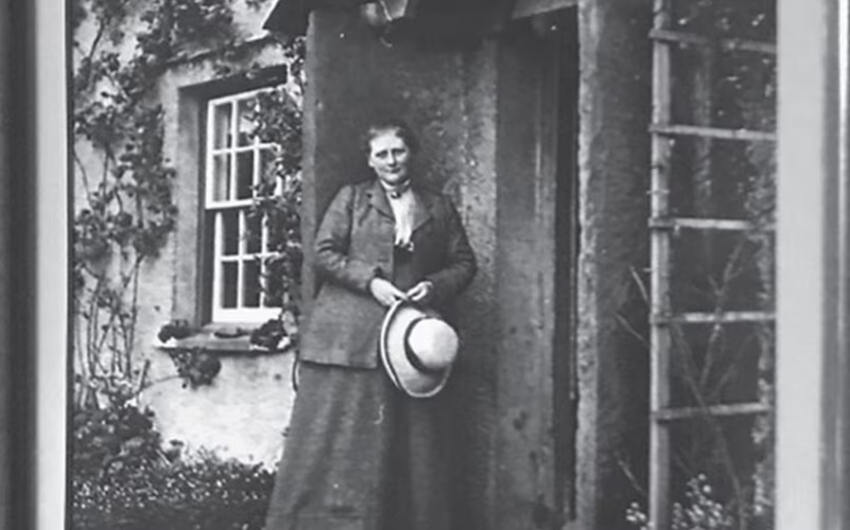
If you’re searching beatrix potter husband, here’s the simple answer: Beatrix Potter married William Heelis in 1913. He was a local solicitor in the Lake District, and their marriage wasn’t a dramatic, gossip-filled story—it was a steady partnership built around land, community, and the quiet work of protecting the countryside Potter loved.
Quick Facts About Beatrix Potter And Her Husband
- Wife: Beatrix Potter (author, illustrator, conservationist)
- Husband: William Heelis (solicitor)
- Married: 1913
- Children: None
- Where They Lived: Lake District, England
- Known For Together: Land purchases, farming life, and conservation-minded legacy
Who Was Beatrix Potter?
Beatrix Potter is best known as the creator of The Tale of Peter Rabbit and many other beloved children’s stories, illustrated in her unmistakable style. But if you only think of her as a children’s author, you miss half her life. She was also a serious naturalist, a sheep farmer, and one of the most important private conservation forces in the Lake District.
That broader identity matters when you talk about her husband, because Potter didn’t marry for a red-carpet romance. She married into a life she was already building: a life centered on land, independence, and long-term stewardship.
Beatrix Potter Husband William Heelis
Beatrix Potter’s husband, William Heelis, was a solicitor based in the Lake District—specifically in the area around Hawkshead and Ambleside. He wasn’t an artist or a literary celebrity. He was a professional man with deep local ties, practical knowledge, and a grounded understanding of property, law, and community life.
That made him an unusually good match for Potter at that stage of her life. By the time she married, she wasn’t a young woman searching for someone to “complete” her. She was a successful author and landowner who needed a partner who could fit into her world without controlling it.
How Beatrix Potter Met William Heelis
Potter’s relationship with the Lake District began long before her marriage. She visited the area, fell in love with it, and eventually started buying land and property there. Once you become a serious property owner—especially in a rural community—you naturally interact with local professionals.
William Heelis became part of her life through that local network and her growing involvement in land purchases and rural business. In other words, their connection wasn’t just romantic—it was also rooted in the practical reality of the life Potter was building.
When Did Beatrix Potter And William Heelis Get Married?
Beatrix Potter married William Heelis in 1913. Potter was in her late forties, which was relatively late for marriage in that era. But that timing is important: it shows her marriage was a choice made after she had already established her independence and purpose.
This wasn’t a “marry young and figure it out later” story. It was “build your life first, then choose someone who fits the life you’ve built.”
Did Beatrix Potter Have Children?
No. Beatrix Potter did not have children. That fact sometimes surprises people because her work is so closely tied to childhood. But her relationship to children’s literature wasn’t dependent on being a mother. It came from observation, imagination, and her deep attention to animals and nature.
In many ways, her stories functioned like a different kind of family legacy—one shared with millions of readers across generations rather than passed down through children of her own.
Why People Confuse Her Love Story
When you search “beatrix potter husband,” you often bump into another man’s name: Norman Warne. That’s because Potter’s most emotionally intense romance came earlier, not with her eventual husband.
Her Earlier Engagement To Norman Warne
Before she married William Heelis, Beatrix Potter was engaged to Norman Warne, her publisher. Their relationship was meaningful, and it mattered because it collided with the social rules of the time—class expectations, family control, and the way Victorian society often treated women’s independence as a threat.
Tragically, Norman Warne died suddenly in 1905, and Potter was deeply affected. That loss became a turning point. Afterward, her life shifted more strongly toward the Lake District, farming, and land stewardship.
This context helps you understand why her marriage to Heelis feels different in tone. Warne is often remembered as the romantic heartbreak chapter. Heelis is remembered as the stable partnership chapter.
What Their Marriage Looked Like Day To Day
Beatrix Potter’s marriage to William Heelis wasn’t about being photographed or praised. It was about living. Their life together was tied to:
- the Lake District community rather than London society,
- property and farming decisions rather than celebrity events,
- long-term planning rather than short-term thrills.
Potter had already stepped away from the idea of being a “society lady.” She wanted a quieter life with purpose. Heelis, as a local solicitor, fit into that world naturally.
Why William Heelis Mattered To Potter’s Conservation Work
Potter’s later life was heavily focused on buying farms and land—often with the goal of protecting the landscape from development. A solicitor husband could be genuinely useful in that mission. Even if Potter herself was sharp and capable (she absolutely was), legal work, land transfers, local relationships, and practical negotiations were part of the conservation puzzle.
It’s easy to romanticize “a writer in the countryside.” The real story is more complex: land ownership requires paperwork, local trust, and the ability to operate in systems that were not built for independent women. Heelis helped her function inside those systems.
Where They Lived In The Lake District
Potter is strongly associated with places like Hill Top (her famous farmhouse) and the village of Near Sawrey. After marrying William Heelis, she continued her life rooted in the Lake District, increasingly centered on farms and rural life rather than the literary world.
This is one of the most striking parts of her biography: she didn’t just write about pastoral charm—she lived it, managed it, and fought to protect it.
Beatrix Potter’s Sheep Farming And Rural Identity
One detail that often gets overlooked is how seriously Potter took farming—especially sheep breeding. She became deeply involved in local agricultural life, which wasn’t a hobby. It was a second career.
That makes her marriage to Heelis feel even more logical. A partner rooted in the Lake District’s professional and community fabric makes sense for a woman who wasn’t “visiting the countryside,” but investing her life in it.
How Their Story Fits Into Potter’s Legacy
Potter’s legacy isn’t only her books. It’s also the land she protected and ultimately left behind. Over time, she acquired significant property holdings. Her careful planning helped ensure that her farms and landscapes would not be broken up or developed in ways that erased what made the Lake District special.
When you look at her husband in that context, he becomes part of the infrastructure behind the legacy—not the headline, but the support system.
A Simple Timeline Of Her Key Relationships
- Early 1900s: Relationship and engagement with Norman Warne (ended by his death in 1905)
- 1913: Marriage to William Heelis
- Later years: Life focused on farming, land ownership, and conservation
What To Say If Someone Asks “Who Was Beatrix Potter’s Husband?”
If you want a clean one-liner:
- Accurate: “Beatrix Potter’s husband was William Heelis, a Lake District solicitor she married in 1913.”
The Bottom Line
If you searched beatrix potter husband, the answer is William Heelis. They married in 1913, had no children, and lived a largely private life rooted in the Lake District. Their marriage is best understood as a partnership that supported Potter’s later-life focus: land, farming, and conservation—an enduring legacy that sits right alongside her timeless children’s books.
Featured image source: https://www.discoverbritain.com/history/icons/real-beatrix-potter/