Alice Walker Husband: Marriage, Relationships, and Personal Life Journey

Alice Walker’s husband is a topic that often draws curiosity from readers who admire her as a Pulitzer Prize–winning author and influential cultural voice. Best known for The Color Purple, Alice Walker’s writing has shaped conversations about race, gender, love, and resilience for decades. While her literary legacy is widely discussed, her personal life—particularly her marriage—remains less understood. Exploring Alice Walker’s husband and relationships offers important context for understanding the experiences that informed both her life and her work.
Who Is Alice Walker? A Literary Icon’s Background
Alice Walker was born in 1944 in Eatonton, Georgia, the youngest of eight children in a family of sharecroppers. Growing up in the segregated South deeply influenced her worldview and later became a powerful undercurrent in her writing. After an accident in childhood left her partially blind in one eye, Walker turned inward, developing a love for reading and writing that would define her future.
She went on to attend Spelman College and later Sarah Lawrence College, where her talent as a writer became evident. Alice Walker achieved international recognition with The Color Purple, published in 1982, which won both the Pulitzer Prize for Fiction and the National Book Award. Beyond fiction, she is also known for her poetry, essays, and activism.
Given her prominence, interest in her personal relationships—especially her marriage—has persisted over the years.
Alice Walker Husband – Was She Ever Married?
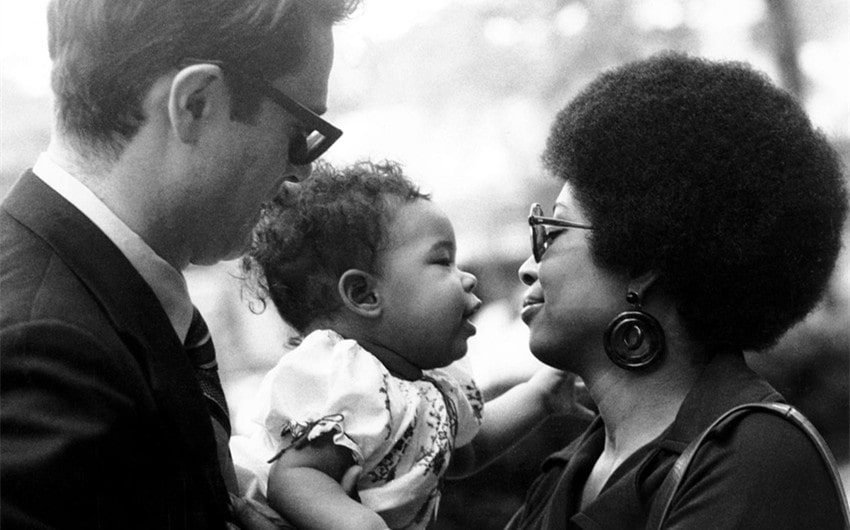
Yes, Alice Walker was married once. Her husband was Melvyn Rosenman Leventhal, a Jewish civil rights attorney. Their marriage was not only personal but historically significant, taking place during a time of intense racial tension in the United States.
Walker has never remarried since that marriage ended, making Leventhal the only man she legally married.
Who Was Melvyn Rosenman Leventhal?
Melvyn Rosenman Leventhal was a civil rights lawyer deeply involved in the struggle for racial equality in the American South. He worked with organizations such as the NAACP and played an active role in desegregation efforts during the 1960s.
Leventhal was white and Jewish, which made his marriage to Alice Walker—an African American woman from the Deep South—especially controversial at the time. Their relationship existed at the intersection of personal love and political resistance, placing both of them under public and legal scrutiny.
Marriage During the Civil Rights Era
Alice Walker and Melvyn Leventhal married in 1967, becoming the first legally married interracial couple in the state of Mississippi. At the time, interracial marriage was still illegal in several states and deeply stigmatized throughout the country.
The couple faced harassment, threats, and social isolation. Walker later wrote candidly about the fear and stress of living under constant surveillance and hostility. Their marriage was an act of personal commitment but also a bold political statement.
These experiences deeply shaped Walker’s understanding of love, courage, and endurance—themes that would later emerge powerfully in her writing.
Children and Family Life
Alice Walker and her husband had one daughter, Rebecca Walker, born in 1969. Parenting during a time of activism and social unrest was challenging, and Walker has spoken openly about the difficulties of balancing motherhood with her career and political engagement.
Rebecca Walker later became a writer, activist, and feminist in her own right. The mother–daughter relationship between Alice and Rebecca has been complex and, at times, publicly strained. Both have written about their experiences from different perspectives, offering rare insight into the emotional realities of being raised by a prominent literary figure.
Despite the challenges, motherhood remained an important part of Alice Walker’s life and personal identity.
Divorce and Life After Marriage
Alice Walker and Melvyn Leventhal divorced in 1976, after nearly a decade of marriage. The end of the relationship was influenced by multiple factors, including the emotional toll of constant external pressure and the natural evolution of two individuals on demanding personal paths.
After the divorce, Walker entered a period of intense creative productivity. She continued to write novels, poetry, and essays that explored identity, healing, and self-definition. Rather than retreating from public life, she deepened her engagement with art and activism.
The divorce marked a turning point that reinforced her independence and commitment to living authentically.
Alice Walker’s Relationships After Divorce
Following her marriage, Alice Walker did not remarry. However, she has been open about having meaningful romantic relationships with both men and women. In later years, she publicly identified as bisexual, discussing love and connection in a way that transcended traditional labels.
Walker has emphasized that romantic partnership was not the sole source of fulfillment in her life. Friendship, creativity, spirituality, and activism played equally important roles. Her openness about love and identity challenged societal norms and expanded conversations around gender and sexuality.
Why Public Interest in Alice Walker Husband Persists
Interest in Alice Walker husband persists partly because her marriage was historically significant. Being the first interracially married couple in Mississippi during the civil rights era placed her personal life directly within the broader American struggle for justice.
Readers are also naturally curious about how personal experience influences creative work. Walker’s writing often explores intimate relationships with remarkable emotional depth, prompting questions about the real-life experiences behind the fiction.
Yet, Walker herself has consistently emphasized that her work stands on its own, independent of any single relationship.
How Marriage Shaped Her Writing
Alice Walker’s marriage exposed her to fear, resilience, and the cost of standing against injustice—experiences that echo throughout her literary work. Her understanding of love as both a source of strength and vulnerability was informed by living through real social danger.
Rather than romanticizing marriage, Walker’s writing presents relationships as complex, imperfect, and deeply human. This honesty is one reason her work continues to resonate across generations.
Independence as a Defining Theme
One of the most striking aspects of Alice Walker’s life after marriage is her commitment to independence. She has often spoken about the importance of self-definition and inner freedom, especially for women.
By choosing not to remarry, Walker demonstrated that fulfillment does not require traditional structures. Her life serves as an example of how creativity and self-respect can sustain a person through change.
Featured Image Source: theexaminedlife.org