Stuart Weitzman Net Worth and the Luxury Legacy Behind His Success

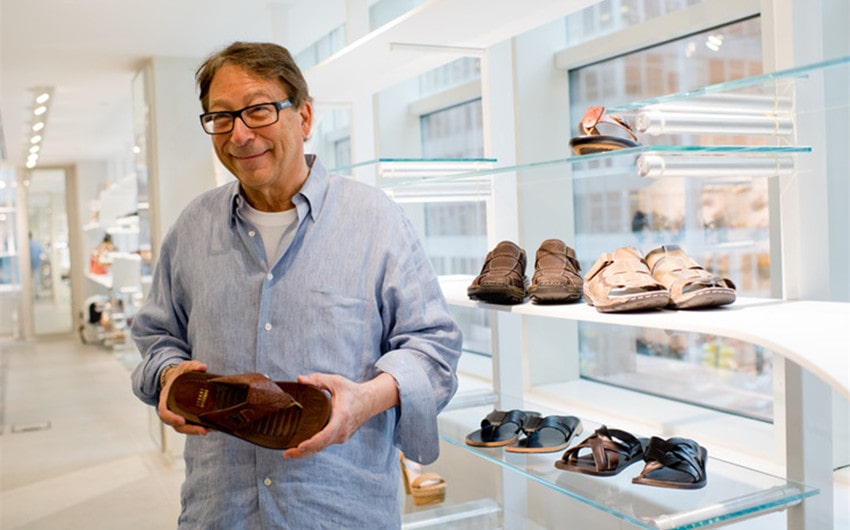
Many fashion lovers and business observers are curious about Stuart Weitzman’s net worth, especially as his influence in the luxury footwear world continues to inspire new designers. Best known for turning his family’s small shoe business into one of the most recognizable luxury brands in the world, Weitzman built a remarkable career grounded in craftsmanship, innovation, and strategic business decisions. Even after selling his company, his wealth, reputation, and creative impact remain strong across global markets. This article explores how he built his fortune, what contributes to his net worth today, and why his financial legacy continues to grow.
Stuart Weitzman’s Net Worth in 2025: Current Estimates
In 2025, Stuart Weitzman’s net worth is estimated between $150 million and $200 million. The wide range reflects variations in reported information, differences in valuation of his business at the time of sale, and the difficulty of assessing private investments and real estate holdings. His wealth stems primarily from decades of brand-building and the eventual sale of his company to Coach, Inc. (now Tapestry). Additionally, his continued involvement in advisory and creative roles has added stability to his financial profile even after stepping away from daily operations.
Weitzman’s net worth also reflects the enduring value of his brand. Because he built a company rooted in craftsmanship, innovation, and celebrity influence, the financial benefits of his work have continued long after he sold the business. This blend of artistry and entrepreneurship is central to understanding his long-term wealth.
Early Career and Rise in the Shoe Industry
Stuart Weitzman’s career began in his family’s shoe factory in Massachusetts, where he learned the fundamentals of design, materials, and production. When his father passed away, he took over the business and began designing shoes with an eye for both beauty and practicality. By the 1970s, his designs were gaining attention for their fresh style and technical precision. Unlike many designers who leaned solely into aesthetics, Weitzman elevated footwear by pairing striking design with comfort and durability—an approach that immediately set him apart.
This period marked the beginning of his professional identity as an innovator. He experimented with unconventional materials such as wallpaper, cork, vinyl, and even precious metals. These bold choices attracted retailers, celebrities, and fashion insiders who recognized his unique ability to create wearable art. His early work positioned him for the global success that would soon follow.
Building the Stuart Weitzman Brand
As the brand grew through the 1980s and 1990s, Stuart Weitzman became synonymous with luxury footwear. His pieces regularly appeared in top fashion magazines, on international runways, and on the red carpet. The brand expanded throughout the United States and Europe, eventually becoming a global name recognized for sleek silhouettes, meticulous construction, and comfort-driven design.
Many of his designs became iconic, including the 5050 boot, famous for its stretch-back construction, and the Nudist sandal, a minimalist heel favored by countless celebrities. These signature styles helped solidify the brand’s luxury status, and they continue to influence fashion trends today.
Behind the scenes, Weitzman maintained strict control over craftsmanship and materials. Every pair had to meet his meticulous standards. This dedication, along with consistent innovation, elevated the brand’s reputation and allowed it to command premium prices. As the company expanded its boutiques and retail footprint, Weitzman’s wealth grew steadily.
Earnings From the Company Sale to Coach/Tapestry
One of the most significant financial events in Stuart Weitzman’s life was the sale of his company. In 2015, Coach acquired the Stuart Weitzman brand in a deal valued at approximately $574 million, a figure that includes both upfront payment and performance-based compensation. Although exact details of his personal share remain undisclosed, it is widely accepted that Weitzman received a substantial payout due to his ownership position.
After the acquisition, Weitzman continued contributing as creative director and later as an advisor. His guidance helped maintain the brand’s identity during its transition under new ownership. The sale not only secured his personal financial future but also cemented his legacy as one of the world’s most successful luxury footwear designers.
Celebrity Influence and Cultural Impact
Celebrities played an enormous role in building Stuart Weitzman’s wealth and brand visibility. A-list stars consistently chose his shoes for award shows, premieres, and magazine covers. His creations not only complemented their outfits but often became headline-worthy pieces themselves. High-profile actresses and musicians—including Beyoncé, Jennifer Lopez, Kate Moss, Angelina Jolie, and Taylor Swift—frequently wore his designs, amplifying the brand’s global appeal.
Weitzman also became famous for creating elaborate custom shoes for red-carpet events, sometimes featuring diamonds, Swarovski crystals, or even 24-karat gold. These culturally iconic pieces reinforced the brand’s luxury image and attracted international attention. As media coverage increased, so did sales and brand loyalty.
Other Ventures, Investments, and Revenue Streams
Beyond his company, Stuart Weitzman has participated in numerous creative and philanthropic ventures. He has supported educational initiatives, donated to museums, funded design scholarships, and contributed to major cultural institutions. His philanthropic work often intersects with his artistic background, further enriching his legacy.
Weitzman’s wealth is also supported by speaking engagements, advisory roles in the fashion industry, and personal investments. His involvement in exhibitions, museum installations, and design collaborations keeps him visible in the creative community and provides additional income.
Although he is more private about financial investments outside his brand, it is well known that he has diversified his portfolio through real estate, art, and selective business partnerships. These long-term investments help stabilize and grow his wealth independently of his luxury fashion empire.
Lifestyle, Real Estate, and Personal Assets
While Stuart Weitzman’s wealth allows for luxury, he is better known for refined taste than extravagant displays. His real estate holdings reflect sophistication and appreciation for design. Properties he has owned in New York and Connecticut demonstrate architectural elegance and attention to detail. His personal art collection, contributions to museums, and support for cultural projects reflect a lifestyle centered on creativity and philanthropy rather than sheer excess.
Weitzman’s understated lifestyle suggests responsible financial management, aligning with his reputation as a thoughtful and disciplined entrepreneur. His ability to combine artistic passion with business strategy has contributed to both his personal success and the longevity of his brand.
Why Stuart Weitzman’s Net Worth Continues to Grow
Even after stepping away from daily operations, Stuart Weitzman’s net worth continues to increase. The global visibility of his brand ensures that he benefits from the prestige and commercial strength of a company that still bears his name. His advisory work, investments, and ongoing recognition in the fashion world keep him relevant and financially secure.
His legacy, built on innovation, craftsmanship, and enduring design, continues to generate opportunities in fashion, media, and philanthropy. Each new collaboration, museum feature, or industry appearance helps sustain the value associated with his name.
Featured Image Source: wsj.com