
Wife of Bath’s Tale Explained: Summary, Themes, Characters, and Meaning Today

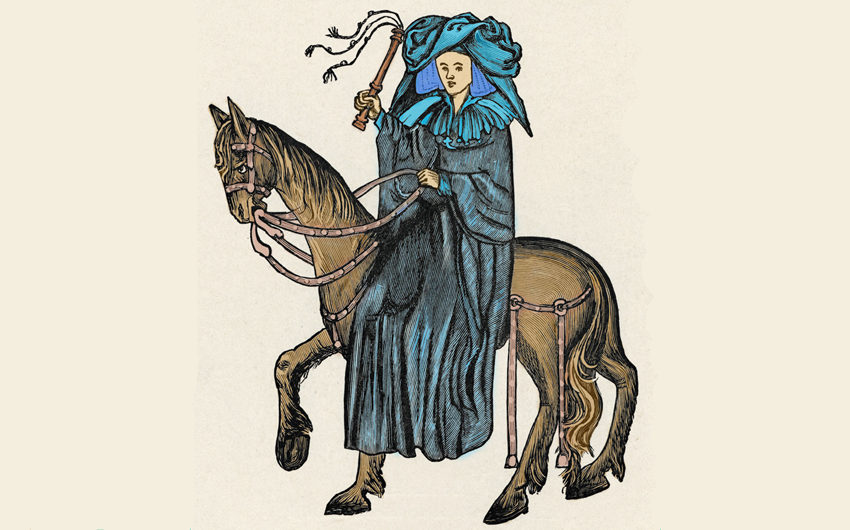
The Wife of Bath’s Tale is one of those stories you read once and then keep thinking about—partly because it’s entertaining, and partly because it asks a question that still stings: what do women want most? If you’re studying The Canterbury Tales or just trying to understand why this tale is so famous, you don’t need to memorize every Middle English line. You need the plot, the message, and the bigger argument Chaucer is making through his most outspoken pilgrim.
What is the Wife of Bath’s Tale?
The Wife of Bath’s Tale is a story told by the Wife of Bath, one of the pilgrims in Geoffrey Chaucer’s The Canterbury Tales. It’s paired with her long, argumentative prologue, where she talks openly about marriage, money, power, sex, and experience—often challenging the “official” moral rules written by men. The tale itself uses romance, magic, and a moral test to explore control in relationships and what a “good marriage” might actually require.
Quick summary of the plot
Here’s the story in plain terms:
A knight commits a serious crime against a young woman. He’s sentenced to death, but the queen and her ladies intervene and offer him a chance to live. His punishment becomes a quest: he must discover what women desire most.
He spends a year asking women everywhere, but the answers clash—wealth, love, honor, pleasure, freedom, flattery. Near the end of his time, he meets an old woman who promises the correct answer if he will grant her a future request.
He returns to court and gives the answer: women want sovereignty—the power to choose and control their own lives, especially within marriage. The queen agrees; he’s spared.
Then the old woman demands her payment: she wants to marry him. The knight is horrified, but he’s trapped by his promise. On their wedding night, she offers him a choice: she can remain old and faithful, or become young and beautiful but possibly unfaithful.
The knight finally gives her what women desire most: he lets her decide. Because he grants her sovereignty, she transforms—becoming young, beautiful, and faithful. The tale ends by celebrating a marriage based on mutual respect and shared power.
Who is the Wife of Bath?
Before the tale even begins, the Wife of Bath makes sure you know she’s not a quiet, obedient character. She’s experienced, confident, and proudly married multiple times. She argues that lived experience matters as much as (or more than) book learning, especially when books are mostly written by men who lecture women about how to behave.
When you read her tale, it helps to see it as part of her larger point: marriage is often a power struggle, and the happiest outcome comes when that struggle stops—when control turns into consent, and dominance turns into partnership.
Main characters you should know
The knight: He starts the tale as someone who abuses power. His quest is less about trivia and more about moral education—learning that he can’t treat women as objects.
The queen: She represents female authority inside a world run by men. Instead of immediate punishment, she designs a challenge that forces the knight to confront women’s perspectives.
The old woman: She’s the story’s trickster-teacher figure. She looks powerless, but she controls the outcome. She also becomes the tale’s sharpest voice about what makes a marriage work.
What women want most: what “sovereignty” really means
The famous answer—women want sovereignty—can sound abstract until you translate it into real life. In the tale, sovereignty means:
- Having a voice that matters.
- Having the right to choose (not just “agree” after pressure).
- Not being controlled or treated as property.
- Being respected as a full person inside marriage.
That doesn’t mean the tale claims women want to dominate men. It means the tale argues that relationships collapse when one person insists on control. “Sovereignty” is about dignity and agency—especially for the person society usually denies it to.
Major themes in the Wife of Bath’s Tale
Power and consent
The tale begins with a violent abuse of power. That opening isn’t there for shock value; it sets up the tale’s central question: what should happen when someone uses power to violate another person? The court’s solution is a moral test that forces the knight to learn a truth he’s ignored: women’s autonomy matters.
The ending reinforces the lesson. The knight “passes” not by choosing correctly for the woman, but by allowing the woman to choose for herself. The tale’s happy ending depends on consent—not coercion.
Marriage as negotiation, not ownership
The Wife of Bath is blunt: marriage is often treated like a system where men own and manage women. Her tale flips that idea. The marriage only becomes joyful when the knight stops treating marriage as something he controls and starts treating it as a partnership where his wife has authority too.
Appearance versus character
The knight’s disgust at marrying the old woman shows how strongly people judge worth by beauty. The old woman challenges this, arguing that “nobility” should be about behavior, not bloodline or looks. In modern terms, she’s calling out shallow values and insisting that respect should not depend on physical attractiveness.
Experience versus “authority”
In her prologue, the Wife of Bath argues with religious and scholarly “authorities” who claim women should be silent, chaste, and controlled. Her tale supports her argument: the people who understand the truth about women’s desires are not the loudest male writers—it’s women themselves, speaking from lived experience.
How the prologue and tale work together
A big mistake is reading only the tale and ignoring the prologue. The prologue is the Wife of Bath’s self-defense and her manifesto. She talks about her marriages, how she negotiated power, and how men used texts to shame women into obedience.
The tale then acts like a symbolic version of her argument:
- The knight starts as the kind of man who assumes women exist for his use.
- Women (the queen and the old woman) control his fate.
- He survives by learning respect and granting choice.
- The marriage becomes happy when power becomes shared.
Seen this way, the Wife of Bath isn’t just telling a fantasy story. She’s making a claim about how the world works and how it should work.
What the ending is really saying
The ending can feel like pure fairy-tale wish fulfillment: the old woman becomes young and beautiful, and the knight gets a happy marriage. But notice the condition: the transformation happens only after he gives her sovereignty.
So the “magic” is actually moral. The tale suggests that respect changes relationships. When you stop trying to control someone, you don’t lose love—you create the conditions where love can exist without fear or resentment.
Why the Wife of Bath’s Tale still matters
Even if you’re reading it for class, the tale stays alive because the central issue never went away. People still argue about control in relationships—who makes the decisions, whose desires count, whose freedom is treated as negotiable.
The Wife of Bath’s answer is bold for its time and still provocative now: the healthiest relationships require real agency. Not performative “you choose, dear” politeness, but genuine respect for the other person’s autonomy.
The takeaway
The Wife of Bath’s Tale isn’t just a medieval romance. It’s a sharp story about power, consent, and what a marriage needs to be fair. The knight begins as someone who takes choice away from a woman; he ends by learning that relationships only become “happy” when choice is respected. And through it all, the Wife of Bath uses her voice—loudly, proudly—to insist that women’s desires and agency are not side notes. They’re the point.
Featured Image Source: https://www.nytimes.com/2023/02/09/books/review/the-wife-of-bath-marion-turner.html
