Terri Runnels: WWE’s Marlena, Goldust Era, WCW Start, and Life After Wrestling

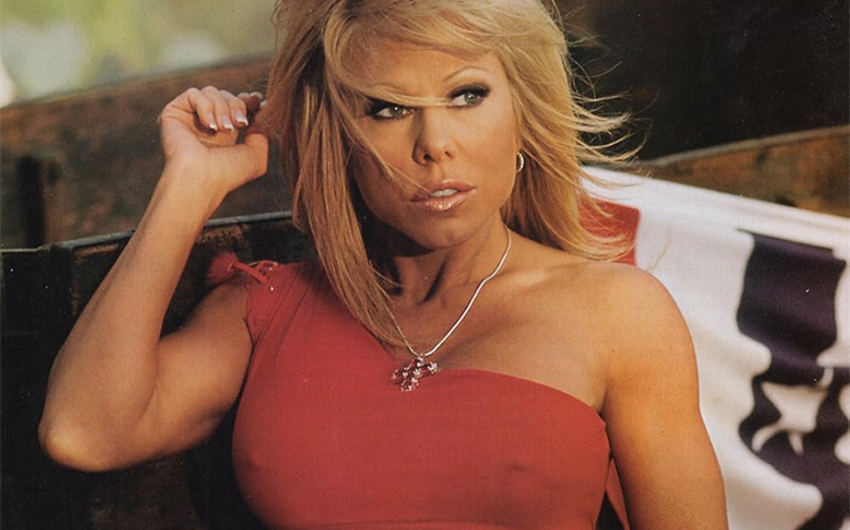
Terri Runnels is one of those wrestling names that instantly triggers a specific era in your head: spotlight-heavy entrances, bold characters, and storylines that felt larger than life. Most fans remember her first as Marlena—the icy, glamorous presence beside Goldust—but her career stretches further than that single role. From WCW beginnings to her later WWE run under her real name, Terri became a reliable on-screen personality who could elevate segments through timing, character work, and presence.
Who is Terri Runnels?
Terri Runnels (born Terri Lynne Boatright) is a retired professional wrestling manager and television personality best known for her work in WWE during the late 1990s and early 2000s. She gained early attention in WCW, then became a major part of WWE programming first as Marlena and later as “Terri,” appearing in storylines across the roster during one of the company’s most watched periods.
Terri’s value on television was never just about standing ringside. She was used as a character driver—someone who could set a tone, add tension, create distraction, or shift the energy of a segment without needing a microphone for five straight minutes. That skill is easy to underestimate until you rewatch the era and realize how much the show relied on personalities who could communicate with a look, a pause, or a perfectly timed reaction.
Early career in WCW: Miss Alexandra York
Before WWE audiences knew her as Marlena, Terri began in World Championship Wrestling (WCW) as Miss Alexandra York, associated with the York Foundation. In that role, she developed the fundamentals that matter most for a manager: controlling attention, keeping a segment moving, and making the talent beside her feel more important than they did five minutes earlier.
Managers in wrestling succeed when they understand a basic truth: the spotlight isn’t the goal—the goal is to direct the spotlight. Terri learned early how to frame wrestlers as serious, dangerous, or noteworthy simply by how she carried herself beside them. That experience in WCW became the foundation for everything she did later in WWE.
WWE debut: the arrival of Marlena
Terri entered WWF/WWE in the mid-1990s as Marlena, debuting in 1996 during the early run of Goldust. Marlena’s presentation was unforgettable: glamorous styling, a controlled demeanor, and a sense that she was watching the chaos from above it. Often seated in a director’s chair at ringside, she came off like an old-Hollywood figure who didn’t need to raise her voice to be intimidating.
Marlena worked because she was committed. The character wasn’t “just a look.” She played it like a person with authority and taste who chose to be there—someone who didn’t react like a fan, didn’t react like a valet, and didn’t react like a bystander. She reacted like a co-star.
Why Marlena mattered to the Goldust character
Goldust’s early WWF presentation was theatrical, provocative, and intentionally uncomfortable for the audience in a way that made him stand out from the roster around him. Marlena amplified that. She added polish to the act, making Goldust feel even more like a production rather than a typical wrestler. When she looked unimpressed, it made other people feel smaller. When she looked intrigued, it made the moment feel bigger.
On-screen, the pairing gave WWE flexibility. Marlena could be the calm anchor while Goldust was the spectacle. She could distract an opponent, influence a referee, or simply create a visual that made the entrance feel like a movie scene. That’s the kind of role that often becomes iconic without needing constant lines or constant action.
Another layer that fans often remember: Goldust was portrayed by Dustin Runnels, and Terri and Dustin were married in real life for part of that era. WWE never needed to lean heavily on that fact for the act to work, but the real-life connection added extra interest for fans who followed backstage news and wrestling media.
Transitioning from Marlena to “Terri” in WWE
As WWE programming shifted into a faster, more chaotic style approaching and entering the Attitude Era, Terri’s role also evolved. The company moved her away from being solely “Marlena” and increasingly presented her as Terri, placing her into a wider range of segments and storylines across the show.
This kind of transition is a quiet compliment in wrestling TV terms. If someone is only useful in one role, they stay in that lane. If someone can be used anywhere on the card—opening segment, mid-show angle, ringside distraction, backstage scene—they become valuable as connective tissue. Terri became that kind of performer: a personality WWE could plug into storylines when they needed momentum, tension, or a character twist.
Terri Runnels during the Attitude Era
The late 1990s and early 2000s were a very specific time in WWE. The pace was faster, the storylines were louder, and the show leaned heavily on characters who could grab attention instantly. Terri fit that environment because she understood how to play the moment. She didn’t need to dominate every scene; she needed to land the scene.
Her best Attitude Era work often came from how she handled the “in-between” parts of wrestling television: the walking-and-talking backstage scene, the quick cutaway reaction, the ringside facial expression that tells you the angle just turned. Wrestling fans sometimes focus only on matches, but television wrestling is also about rhythm—how you build tension and keep people watching through commercial breaks and segment transitions. Terri was effective because she understood that rhythm.
Did Terri Runnels wrestle in the ring?
Yes, Terri did compete at times, but her primary value was never positioned as “in-ring wrestler first.” She is best remembered as a manager and on-screen personality who could support major characters, keep storylines moving, and add heat or drama to segments.
That distinction matters because it explains why she remains memorable. Wrestling has always had performers whose greatest strength is presentation. Terri’s strength was being believable on camera—whether she was calm, furious, smug, stressed, or suddenly shocked. She could sell a storyline beat with her expression as effectively as many people could with a full promo.
Personal life: marriage to Dustin Runnels and their daughter
Terri was married to wrestler Dustin Runnels (Goldust) in the 1990s. They share a daughter, Dakota, born in 1994, and their marriage ended in divorce in 1999. These details are frequently mentioned in biographies because the real-life timeline overlapped with her most recognizable WWE period.
It’s also worth saying plainly: wrestling fans often blur the line between character and real person. Terri’s marriage to Dustin became a point of interest because it made her association with Goldust feel even more “real” to viewers. But her television work stands on its own. Even if you removed the real-life connection completely, Marlena remains one of the most distinctive manager presentations of that era.
Life after WWE: stepping away from full-time wrestling
Terri’s full-time WWE run ended in the early 2000s, and she later stepped away from regular wrestling appearances. Like many performers from that period, she has remained part of wrestling culture through interviews, fan interest, and occasional mentions rather than weekly television.
For fans who watched the Attitude Era live, this is a familiar pattern. Wrestling during that time moved quickly and consumed people fast. Some performers stayed in the industry forever. Others made their mark and moved on. Terri’s legacy is tied to a specific run of years where WWE’s style was changing rapidly—and she managed to remain relevant through the shift.
Why fans still remember Terri Runnels
Terri Runnels is still discussed for a few reasons that have nothing to do with nostalgia alone:
She helped define an iconic act. Marlena wasn’t a random ringside accessory. She was part of Goldust’s presentation in a way that made the entire character feel more deliberate and cinematic.
She adapted when WWE changed direction. Moving from Marlena to “Terri” could have flattened her into a generic role, but she stayed visible by fitting into the evolving style of the show.
She understood television wrestling. Wrestling isn’t only matches; it’s storytelling on camera. Terri was effective because she could communicate character and stakes quickly, which is exactly what weekly live TV demands.
She’s tied to a rewatchable era. The Attitude Era is constantly revisited through clips, streaming, and fan discussion. When people rewatch, they notice how much certain personalities contributed to the feeling of the show—Terri is one of them.
Terri Runnels in one clean summary
Terri Runnels built a recognizable wrestling career by doing what the best managers and personalities do: she made the people and moments around her feel more important. She began in WCW as Alexandra York, became a standout in WWE as Marlena alongside Goldust, and later worked as “Terri” during the Attitude Era’s peak chaos. Whether you remember her for the director’s chair, the Hollywood glamour, or the fast-paced storylines of late-90s WWE, her legacy is simple: she was a memorable part of a memorable time.
Featured Image Source: https://www.imdb.com/name/nm0750315/